

Reviving Underutilised Phones Through Refurbishment: Pilot Outcomes
24 March, 2026: Across Australia, thousands of mobile phones reach the end of their first life every year. Through MobileMuster, the national product stewardship program for mobile phones managed by the Australian Mobile Telecommunications Association (AMTA), Australians can recycle broken or end of life devices for free. But not all phones that are retired are truly finished.
Many phones could continue to be used with relatively simple repairs, such as a battery replacement or minor cosmetic work. Australia already has an established mobile phone repair and refurbishment sector, yet a portion of devices fall into a grey area. These phones are technically recoverable but are often deprioritised because the cost of parts or labour outweighs their commercial resale value.
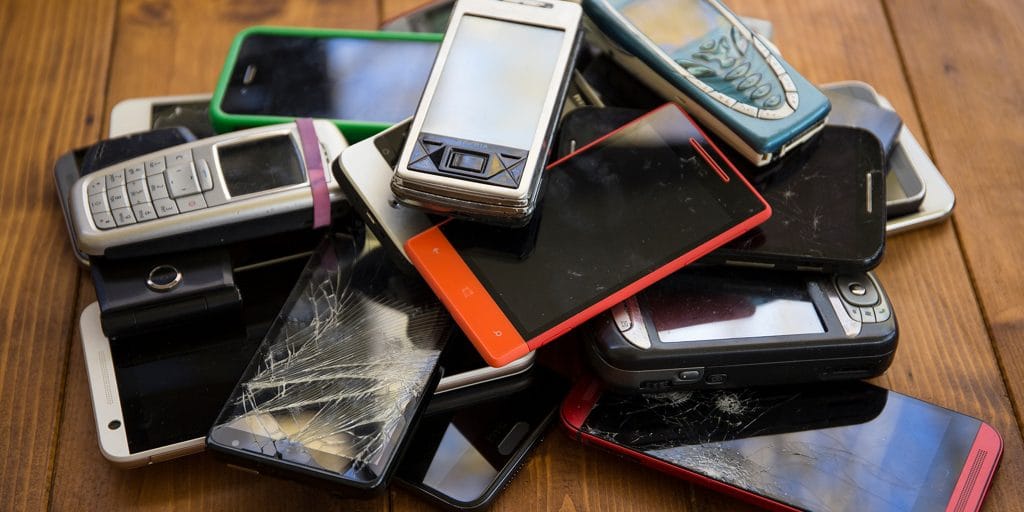
To test whether these devices could be safely refurbished and redirected for social benefit, AMTA established Project Phoenix, a pilot initiative designed to assess the feasibility of a coordinated phone refurbishment and reuse program that supports people in vulnerable situations while extending device life.
Mobile phones are not comparable to most other consumer electronics. They provide access to telecommunications connectivity and the essential services that rely on it. For people experiencing crisis or disadvantage, a working phone can be the difference between staying connected to support networks and being effectively offline.
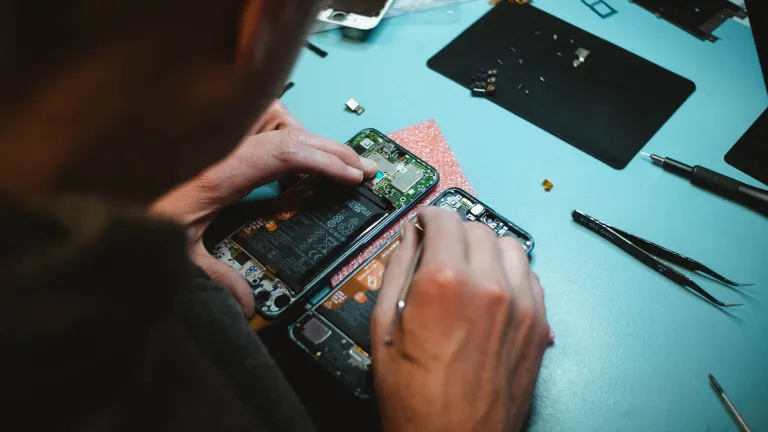
The Project Phoenix pilot demonstrated that low value devices, often overlooked within commercial refurbishment pipelines, can be safely recovered, refurbished and reused. One hundred mobile phones were refurbished and distributed through DV Safe Phone and the KARI Foundation, with support from Optus, PhoneCycle and AMTA. Each device was fully data wiped, checked against the national Lost and Stolen Register and refurbished by professional technicians before being supplied with an Optus Donate Your Data Crisis SIM. This ensured recipients received a working phone ready for immediate use.
The environmental benefits were clear. By refurbishing and reusing these devices instead of replacing them with new ones, an estimated 5.6 tonnes of carbon emissions were avoided. Manufacturing a new mobile phone generates significantly higher emissions than refurbishment, which requires fewer raw materials and less energy. Repair and reuse therefore play an important role in reducing electronic waste and supporting Australia’s circular economy by keeping devices in use for longer.
The social impact was immediate. Victim survivors of domestic and family violence were able to maintain safe communication with emergency services, support organisations and trusted contacts. Frontline agencies reported that access to a reliable phone improved safety planning and reduced isolation at critical moments. First Nations community members who received refurbished phones through the KARI Foundation gained improved access to family, education, employment opportunities and essential services, strengthening participation and stability.
Project Phoenix also delivered strong assurance outcomes. Across the pilot, 72 Crisis SIM activations were recorded, no devices were identified as lost or stolen, and full traceability was maintained from device source through to end-user distribution. The pilot confirmed that a secure and scalable device reuse pathway can be delivered with relatively low operational complexity.
Importantly, the pilot highlighted a structural opportunity rather than a technical barrier. The capability to refurbish devices already exists within Australia’s repair ecosystem, and trusted community organisations are ready to distribute phones to people who need them most. With modest funding and coordination, thousands of additional devices could be activated each year, improving digital access, strengthening community safety and reducing avoidable emissions.
Project Phoenix provides practical evidence to inform the development of a coordinated national mobile phone reuse pathway, supporting digital inclusion, circular economy objectives and community wellbeing.
Click here to read the full report.