

Cyber Security and Digital Threats
Related News
Making privacy a priority
May 4, 2021
Consumer Advice
Cyber Security and Digital Threats
The Australian Mobile Telecommunications Association (AMTA) proudly supports Privacy Awareness Week. Being connected is an essential part of our everyday lives, enabling us to connect personally and professionally. As we engage with more connected devices while moving to the capabilities of 5G, it’s important to appreciate our personal information and...

Beware of scams
August 8, 2020
Consumer Advice
Cyber Security and Digital Threats
Scam calls are unsolicited communications all made with the same criminal intention – to get Australians to reveal personal details and information about themselves. Spam is an unlawful, unwanted email or text message advertising goods or services. If the spam you receive is also from a scammer or contains malware...
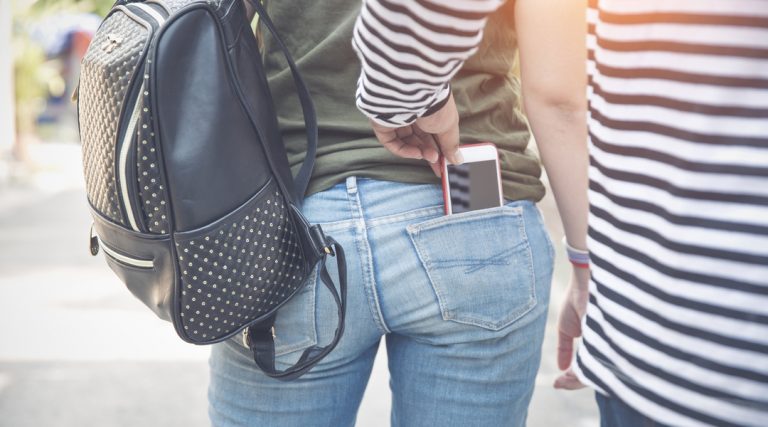
Lost or stolen Phone? What to Do and How IMEI Blocking Helps
February 4, 2020
Cyber Security and Digital Threats
If your phone is lost or stolen, you can take immediate steps to protect yourself. Blocking your device stops anyone else from using it, prevents unexpected charges, and makes the handset unusable across all Australian mobile networks. This helps keep your personal information safe and reduces the risk of misuse....
Check if a phone has been reported lost or stolen (IMEI status)
May 4, 2019
Consumer Advice
Cyber Security and Digital Threats
Lost & Stolen
AMTA’s free IMEI checker empowers Australians to protect themselves from theft, scams and unusable devices. Use it to confirm whether a mobile phone has been blocked on Australian mobile networks. When to use this tool: You’ve lost your phone or it was stolen and you want to confirm it’s blocked. You’re...

Image-based abuse
May 3, 2019
Consumer Advice
Cyber Security and Digital Threats
Image-based abuse occurs when intimate, nude or sexual images are distributed without the consent of those pictured. This includes real, altered (e.g. Photoshopped) and drawn pictures and videos. Sharing can occur via social media, posting images on websites or by sharing over SMS/MMS. While you may have consented to an image...
 Back to top